


Why Online GLP-1 Prescriptions Are Changing Weight Loss in 2026

Weight loss in 2026 looks different. GLP-1 medications like semaglutide and tirzepatide are now widely available through telehealth platforms, eliminating the need for repeated office visits. This shift makes medical weight loss accessible to busy adults who previously couldn't fit appointments into their schedules.
Here's what's changed and what it means for anyone considering these medications.
What GLP-1 Medications Actually Do
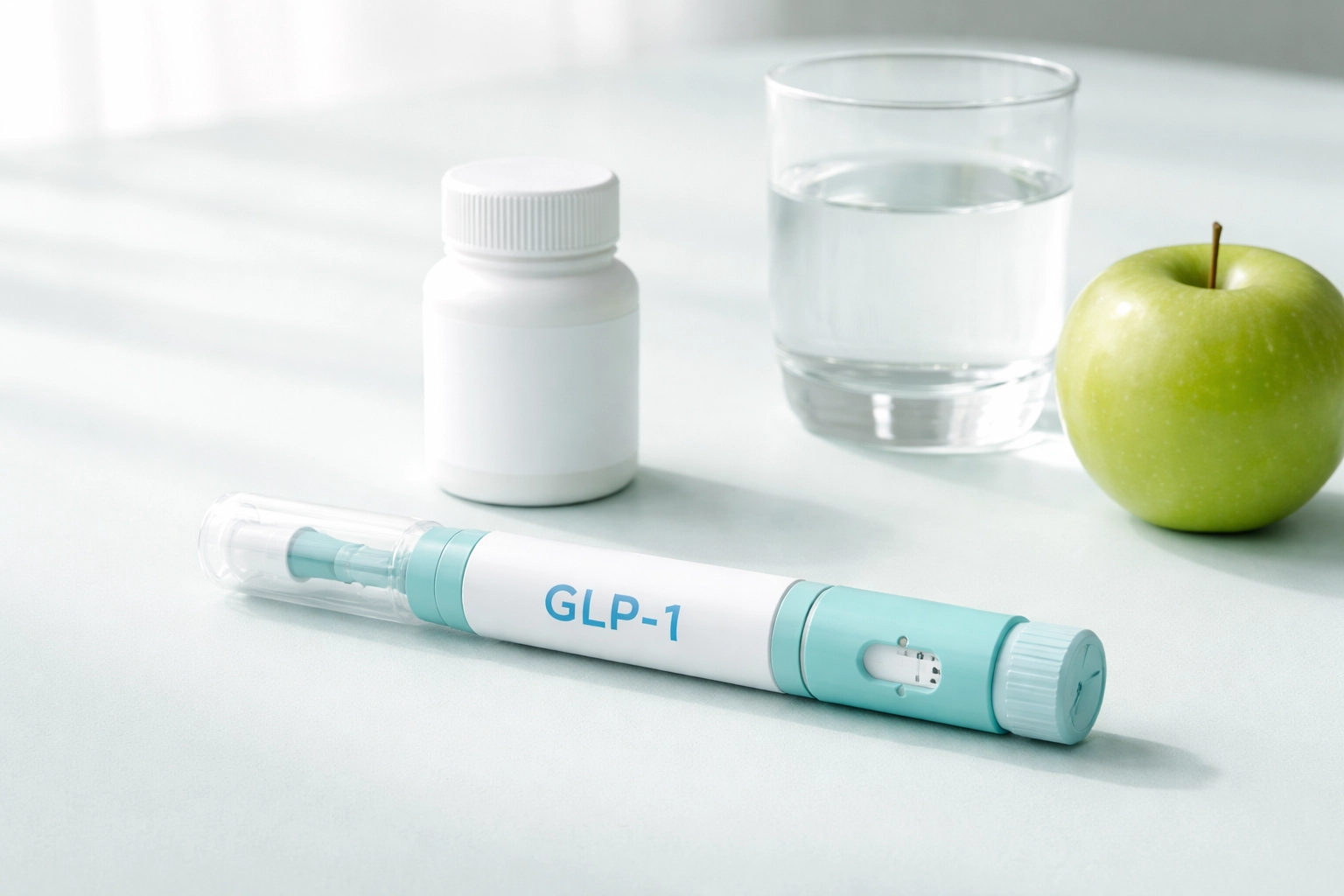
GLP-1 receptor agonists work by mimicking a hormone your body naturally produces. This hormone signals fullness to your brain, slows stomach emptying, and helps regulate blood sugar levels.
The result: reduced appetite, fewer cravings, and sustained weight loss when combined with diet and exercise.
Current GLP-1 options include:
Semaglutide (brand names: Wegovy, Ozempic)
Tirzepatide (brand names: Zepbound, Mounjaro)
Clinical data shows average weight loss of 14-15% of body weight over 64 weeks with consistent use. These aren't miracle drugs: they require commitment to lifestyle changes: but they provide a tool that works with your biology rather than against it.
Three Major Changes in 2026
1. Oral Tablets Now Available
The FDA approved Wegovy as an oral tablet in December 2025. Previously, GLP-1 medications required weekly injections. The pill form achieves comparable results: 14% average body weight loss in clinical trials over 64 weeks.
This matters for patients who:
Prefer not to self-inject
Travel frequently and find injectable storage inconvenient
Have needle anxiety
Injectable options remain available. Patients now choose the delivery method that fits their preferences.
2. Insurance Coverage Expansion
Two significant coverage changes took effect:
Medi-Cal Rx updated GLP-1 coverage as of January 1, 2026.
Medicare will cover GLP-1 medications for members with obesity and related comorbidities starting April 2026.
These changes reduce out-of-pocket costs for millions of patients who previously paid full price. Check with your specific insurance plan for coverage details and prior authorization requirements.
3. Telehealth Access Is Standard
Multiple platforms now offer online GLP-1 prescriptions with virtual consultations. Initial consultations typically cost $25-69, with ongoing support through video or chat.
This model eliminates:
Waiting rooms
Time off work for appointments
Geographic barriers to specialists
Scheduling delays

How Online GLP-1 Prescriptions Work
The process is straightforward:
Step 1: Complete an intake questionnaire. This covers medical history, current medications, weight loss goals, and any contraindications.
Step 2: Video consultation with a licensed provider. A healthcare professional reviews your information, discusses options, and determines if GLP-1 medication is appropriate for your situation.
Step 3: Prescription and delivery. If approved, medication ships directly to your home. Most patients receive their first shipment within 3-7 business days.
Step 4: Ongoing monitoring. Regular check-ins (typically monthly) track progress, adjust dosing, and address side effects.
At Medifit Group, consultations happen on your schedule. No waiting weeks for an appointment. No sitting in a clinic when you could be at work or with your family.
Who Qualifies for GLP-1 Medications
GLP-1 medications aren't appropriate for everyone. General eligibility criteria include:
BMI of 30 or higher (obesity), OR
BMI of 27 or higher with at least one weight-related health condition (type 2 diabetes, high blood pressure, high cholesterol, sleep apnea)
Contraindications include:
Personal or family history of medullary thyroid carcinoma
Multiple endocrine neoplasia syndrome type 2
Pregnancy or planning to become pregnant
History of pancreatitis
A provider evaluates your complete medical history before prescribing. This isn't a "check the box and ship" situation: it's actual medical care delivered virtually.

Semaglutide vs. Tirzepatide: Quick Comparison
Both medications work. The differences matter for individual situations.
Semaglutide (Wegovy)
Single-target GLP-1 receptor agonist
Available as weekly injection or daily oral tablet
Longer track record of FDA approval
Average weight loss: 14-15% of body weight
Tirzepatide (Zepbound)
Dual-target (GLP-1 and GIP receptors)
Available as weekly injection only
Slightly higher average weight loss in clinical trials: 15-20%
May have different side effect profile for some patients
Your provider recommends based on your health history, insurance coverage, and response to treatment. Some patients start with one medication and switch if needed.
For a deeper comparison, read Semaglutide vs. Tirzepatide: Which Online Weight Loss Medication Is Right for You?
What to Expect: Side Effects and Timeline
Common side effects, especially in the first 4-6 weeks:
Nausea
Constipation or diarrhea
Decreased appetite (this is partly how the medication works)
Fatigue
Most side effects diminish as your body adjusts. Dosing starts low and increases gradually to minimize discomfort.
Typical timeline:
Weeks 1-4: Adjustment period. Mild side effects common. Weight loss begins.
Months 2-3: Side effects typically stabilize. Appetite changes become more noticeable.
Months 4-6: Consistent weight loss. Most patients see significant progress.
Month 6+: Maintenance phase. Ongoing medication use sustains results.
GLP-1 medications work best as part of a comprehensive approach. Diet modifications and increased physical activity amplify results.
Why Telehealth Makes Sense for Weight Loss Care
Traditional weight loss programs often fail because they're inconvenient. Monthly in-person appointments mean:
Taking time off work
Arranging childcare
Driving to appointments
Sitting in waiting rooms
When life gets busy, these appointments get skipped. Treatment becomes inconsistent. Results suffer.
Online prescriptions remove these barriers. A 15-minute video call from your living room, home office, or parked car keeps treatment on track. Monthly check-ins happen regardless of your schedule chaos.
This accessibility matters. Consistent medical oversight leads to better outcomes, proper dosage adjustments, and early intervention if problems arise.
Common Mistakes With Weight Loss Medications
Starting GLP-1 treatment without proper support leads to preventable problems:
Skipping follow-up appointments : Dosing adjustments require monitoring
Stopping medication abruptly : Weight regain is common without a transition plan
Ignoring side effects : Many can be managed with simple interventions
Expecting medication alone to work : Diet and exercise remain essential
Not tracking progress : Data helps providers optimize treatment
Online platforms with built-in support structures address these issues. Regular check-ins, messaging with providers, and progress tracking keep patients accountable.
Read more: 7 Mistakes You're Making With Weight Loss Medications (And How Online Consultations Fix Them)
Getting Started
If GLP-1 medication sounds like a fit, here's the practical path forward:
Review Medifit Group's services to understand available programs
Check the semaglutide or tirzepatide pages for medication-specific information
Schedule a consultation through the monthly program
Questions? The FAQ page covers common concerns about telehealth weight loss treatment.
Weight loss medication in 2026 is more accessible than ever. The barriers that kept people from effective treatment: inconvenience, cost, access: are falling. What remains is the decision to start.
Comments