


The Power of GLP-1s: Why Diet and Exercise Aren't Always Enough

You've tried cutting calories. You've logged miles on the treadmill. You've meal prepped, tracked macros, and stuck to workout schedules. Yet the scale barely budges: or worse, you lose weight only to regain it within months.
If this sounds familiar, you're not failing. Your body is working against you in ways diet and exercise simply can't overcome.
The Biology Behind Weight Loss Resistance
Weight management isn't just about calories in versus calories out. Multiple biological systems regulate your appetite, metabolism, and fat storage. When these systems are dysregulated: often due to genetics, hormonal imbalances, or metabolic conditions: behavioral changes alone produce minimal results.
Your brain's hypothalamus controls hunger signals. Your gut produces hormones that affect satiety. Your pancreas manages insulin production. When these systems don't function optimally, willpower becomes irrelevant.

Traditional weight loss advice assumes everyone's biology responds identically to dietary restriction and increased activity. Clinical evidence shows this assumption is incorrect. Some people face biological barriers that make sustainable weight loss through lifestyle modification alone nearly impossible.
How GLP-1 Medications Work
GLP-1 receptor agonists: including semaglutide and tirzepatide: target multiple biological mechanisms simultaneously. These medications don't replace diet and exercise. They address the underlying biological factors preventing weight loss success.
Appetite Regulation
GLP-1s signal directly to the hypothalamus to increase satiety. You feel full longer after meals. Cravings diminish. The constant mental battle with hunger decreases significantly.
This isn't about willpower or discipline. The medication changes how your brain processes hunger signals, making it physiologically easier to reduce caloric intake without constant discomfort.
Gastric Emptying
These medications slow how quickly food leaves your stomach. Food stays in your digestive system longer, providing extended satiety between meals. This mechanism also helps stabilize blood sugar levels, reducing energy crashes that trigger overeating.
Insulin Function
GLP-1s improve insulin production when needed and reduce glucagon: the hormone that raises blood sugar. Better insulin function means improved blood sugar control, reduced fat storage, and more stable energy levels throughout the day.
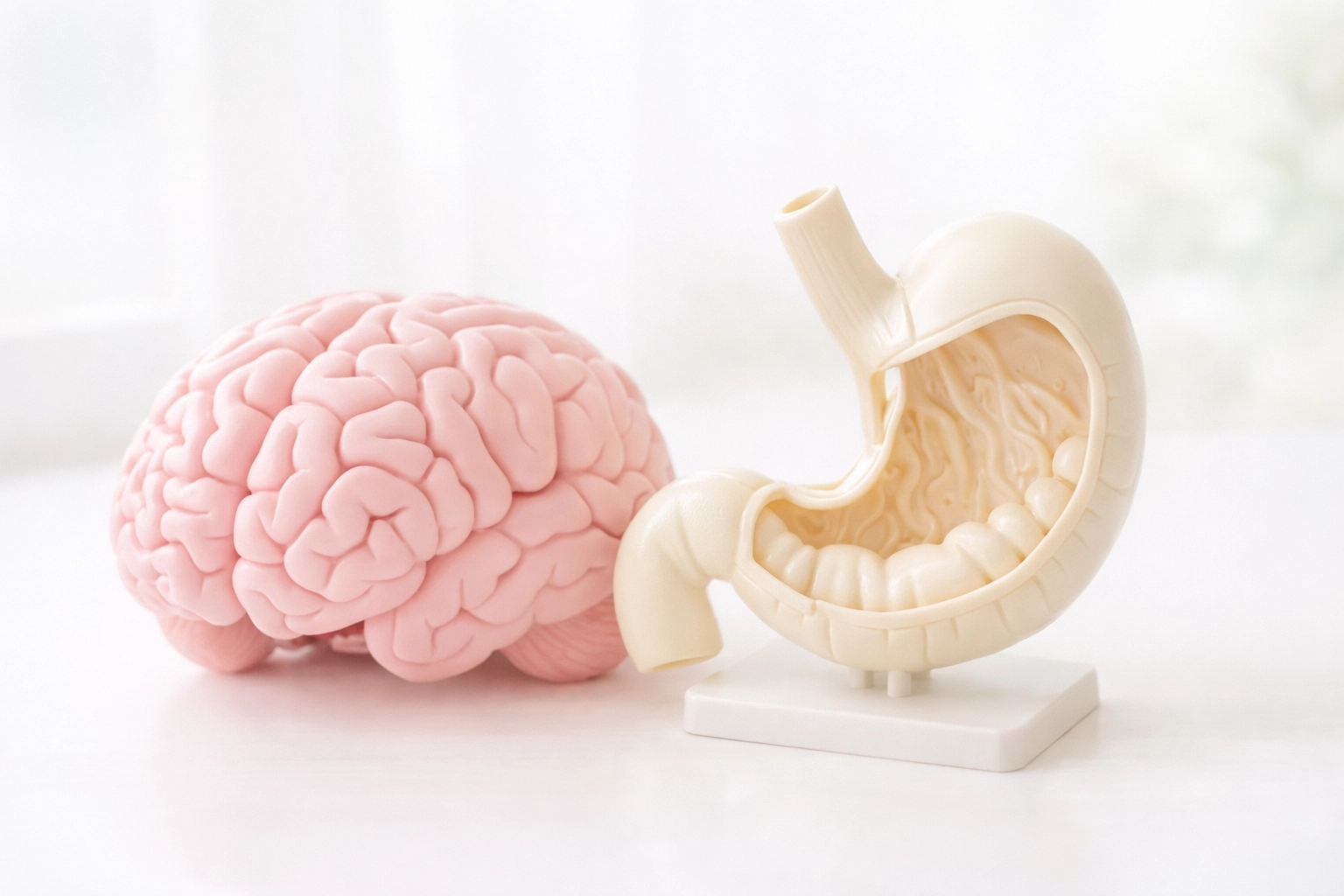
This multi-system approach targets biological mechanisms that diet and exercise cannot directly influence. You're not fighting your body anymore.
Clinical Evidence
The STEP 1 trial examined semaglutide 2.4 mg weekly over 68 weeks. Patients lost an average of 14.9% of their body weight. The placebo group: who also received lifestyle intervention counseling: lost just 2.4%.
Breaking down the results further:
86% of semaglutide users achieved at least 5% weight reduction
51% lost 15% or more of their body weight
Only 32% of the placebo group achieved 5% weight loss
Just 5% of the placebo group reached 15% weight loss
These numbers represent clinically significant weight loss. For someone weighing 200 pounds, 14.9% means losing approximately 30 pounds. For someone at 250 pounds, it means 37 pounds.
Standard glycemic control doses show more modest results: approximately 2.2% weight loss at 72 weeks, with about one-third of patients achieving 5% or greater weight loss. Higher doses prescribed specifically for weight loss produce substantially better outcomes.
Semaglutide consistently outperforms liraglutide in head-to-head comparisons, with mean weight loss of 15.8% versus 6.4% after 68 weeks.
Why Combine GLP-1s with Lifestyle Changes
GLP-1 medications work most effectively alongside diet and exercise modifications. They're not a replacement for healthy behaviors: they're a tool that makes those behaviors achievable and sustainable.
The medication addresses biological barriers. Lifestyle changes provide the foundation for long-term health improvements beyond weight loss: cardiovascular fitness, metabolic health, muscle maintenance, and overall wellbeing.
Think of it this way: GLP-1s level the playing field so your efforts produce results. You still need to make informed food choices and stay active. The difference is those choices now translate into actual, sustainable weight loss instead of frustration and minimal progress.
Ongoing Use Required
Weight loss medications require continued use to maintain results. Stopping the medication typically leads to weight regain as the underlying biological factors reassert themselves.
This isn't a character flaw or lack of discipline. It reflects the chronic nature of obesity and metabolic dysfunction. Just as someone with high blood pressure needs ongoing medication to maintain healthy levels, people with weight regulation issues benefit from continued treatment.
Who Benefits from GLP-1s
These medications particularly benefit people who:
Have attempted multiple diet and exercise programs without sustained success
Experience significant hunger and cravings despite caloric restriction
Have obesity or prediabetes
Face metabolic barriers to weight loss
Need significant weight reduction for health reasons
GLP-1s aren't first-line treatment for someone who hasn't attempted lifestyle modifications. They're for people who've tried behavioral changes and encountered biological barriers preventing success.

What to Expect with Medifit Group
At Medifit Group, telehealth consultations assess your medical history, previous weight loss attempts, and current health status. Providers determine whether GLP-1 medications are appropriate for your situation.
Treatment includes:
Initial consultation to review medical history and weight loss goals
Prescription for appropriate GLP-1 medication (semaglutide or tirzepatide)
Ongoing monitoring and dosage adjustments
Support for managing any side effects
Guidance on nutrition and lifestyle factors
Dosage typically starts low and increases gradually to minimize side effects while achieving therapeutic levels. Most people experience some nausea initially, which usually decreases over time.
Results vary by individual, but most patients notice reduced appetite within the first few weeks. Significant weight loss becomes apparent over months, not days or weeks.
The Bottom Line
Diet and exercise matter. They're essential components of health. But for many people, they're not sufficient for meaningful weight loss because biological factors create insurmountable barriers.
GLP-1 medications address those biological barriers through multiple mechanisms: appetite regulation, gastric emptying, and improved insulin function. Clinical evidence shows they produce weight loss that exceeds what most people achieve through lifestyle modifications alone.
These medications don't eliminate the need for healthy behaviors. They make those behaviors actually work by removing biological obstacles. The result is sustainable weight loss for people who previously couldn't achieve it despite significant effort.
If you've struggled with weight loss despite genuine efforts at diet and exercise, the problem likely isn't your willpower or discipline. Your biology may need medical support to function optimally. GLP-1 medications provide that support, allowing your efforts to finally produce results.
Ready to explore whether GLP-1s could work for you? Schedule a consultation with Medifit Group to discuss your options.
Comments