


The 'Medifit' Approach: Why Combining Medication with Lifestyle Changes is the Secret to Success

Weight loss medications work. But they work better when paired with lifestyle modifications. This isn't about doing more work or making your life harder. It's about addressing weight loss from multiple angles simultaneously so the results actually stick.
The Medifit approach combines GLP-1 medications with personalized nutrition guidance and exercise strategies. Each component supports the others. The medication handles the physiological barriers while lifestyle changes establish new patterns that sustain your progress after treatment.
Why Medication Alone Falls Short
GLP-1 medications like semaglutide and tirzepatide reduce hunger and regulate blood sugar. They create the metabolic conditions that make weight loss possible for people who've struggled for years.
But here's what happens when medication is the only intervention: You lose weight while taking it. Then you stop, and without new eating patterns or movement habits, the weight returns. The medication created a window of opportunity. Without lifestyle changes, that window closes.

The goal isn't lifelong medication dependence. It's using medication as a tool to establish sustainable habits that continue working after treatment ends.
The Three-Component System
Medications
Compounded GLP-1 treatments form the pharmaceutical foundation. These medications work by enhancing satiety, making you feel full longer after meals. They regulate blood sugar to reduce cravings and slow digestion to help manage calorie intake naturally.
The medication addresses the biological factors that make weight loss difficult. It's not about willpower. It's about correcting the metabolic signals that drive overeating and weight gain.
Nutrition Guidance
Generic meal plans don't work because your life isn't generic. The nutrition component provides tailored dietary guidance based on your schedule, food preferences, and lifestyle constraints.
This isn't about eliminating entire food groups or following rigid rules. It's about making sustainable adjustments that fit your actual life. Small changes in portion sizes, meal timing, and food choices compound over weeks and months.
The nutrition guidance works with the medication. As your appetite decreases, you learn to recognize true hunger signals and make choices that support your goals without feeling deprived.

Exercise Plans
The exercise component focuses on simple, achievable physical activity. This isn't about training for marathons or spending two hours in the gym daily. It's about building movement patterns you can maintain long-term.
Short walks, bodyweight exercises, and activities you actually enjoy. The goal is consistency, not intensity. As you lose weight and build strength, movement becomes easier. The exercise plan adapts as your fitness level improves.
Physical activity supports medication effectiveness by improving insulin sensitivity and preserving muscle mass during weight loss. It also establishes habits that maintain your results after you complete treatment.
How the Components Work Together
The medication creates the physiological conditions for weight loss. Reduced hunger and better blood sugar control make it easier to implement dietary changes. You're not fighting constant cravings while trying to modify your eating patterns.
As you adjust your nutrition, the medication's effects become more pronounced. Better food choices stabilize blood sugar further, reducing the cycle of cravings and overeating. The two interventions reinforce each other.
Exercise adds a third dimension. Physical activity improves how your body responds to both the medication and dietary changes. It supports metabolic health, preserves lean muscle, and creates positive momentum.
This three-part approach addresses weight loss comprehensively. It's not just about calories in and calories out. It's about optimizing appetite regulation, metabolic health, and fat loss through multiple simultaneous interventions.

What Ongoing Support Includes
The program doesn't end with an initial prescription and generic instructions. Continuous support ensures you stay on track and adjust the approach as your body responds.
Progress Assessments
Regular check-ins track your weight loss, side effects, and adherence to the nutrition and exercise components. These assessments identify what's working and what needs modification.
Medication Adjustments
Your dose may need changes as you lose weight. Starting low and increasing gradually minimizes side effects while maximizing effectiveness. Support means having a provider who adjusts your treatment based on your individual response.
Lifestyle Coaching
Questions come up. Challenges arise. Having access to guidance helps you navigate obstacles without derailing your progress. Whether it's managing side effects, adjusting your meal plan, or modifying your exercise routine, support keeps you moving forward.
Implementation in Real Life
Here's how this actually works in practice. You start the medication at a low dose. During the first weeks, you notice reduced hunger. This is when you implement the initial dietary changes: smaller portions, more protein, fewer processed carbohydrates.
The medication makes these changes easier because you're not constantly hungry. You're not relying solely on willpower to eat less. Your body is sending different signals.
As the dietary changes become routine, you add simple physical activity. A 15-minute walk after dinner. Some basic strength exercises twice weekly. Nothing extreme. Just consistent movement that builds over time.

The medication dose increases gradually based on your tolerance and results. Your eating patterns continue evolving. The exercise becomes habit. After months of this combined approach, you've lost significant weight and established new patterns.
When you eventually reduce or stop the medication, those patterns remain. You've retrained your relationship with food. Movement is part of your routine. The weight stays off because the underlying behaviors changed.
Why This Matters for Long-Term Results
Most weight loss approaches fail because they address only one factor. Diet alone requires constant restriction and willpower. Exercise alone doesn't address the metabolic factors driving weight gain. Medication alone creates temporary results without behavioral change.
The comprehensive approach succeeds because it changes multiple factors simultaneously. The medication provides the metabolic foundation. Nutrition guidance establishes new eating patterns. Exercise builds physical capacity and habit.
These components create synergy. Each one makes the others more effective. The result is sustainable weight loss that doesn't require perpetual restriction or medication dependence.
Getting Started
The process begins with an initial consultation to assess your medical history, current health status, and weight loss goals. This determines if you're a candidate for GLP-1 medications and establishes your baseline.
You receive your medication prescription along with personalized nutrition guidance and an exercise plan tailored to your current fitness level. The first weeks focus on tolerance to the medication and implementing initial lifestyle changes.
Follow-up appointments track your progress and adjust the approach based on your results. The frequency of contact ensures you're supported throughout the process, not just given a prescription and left to figure it out alone.
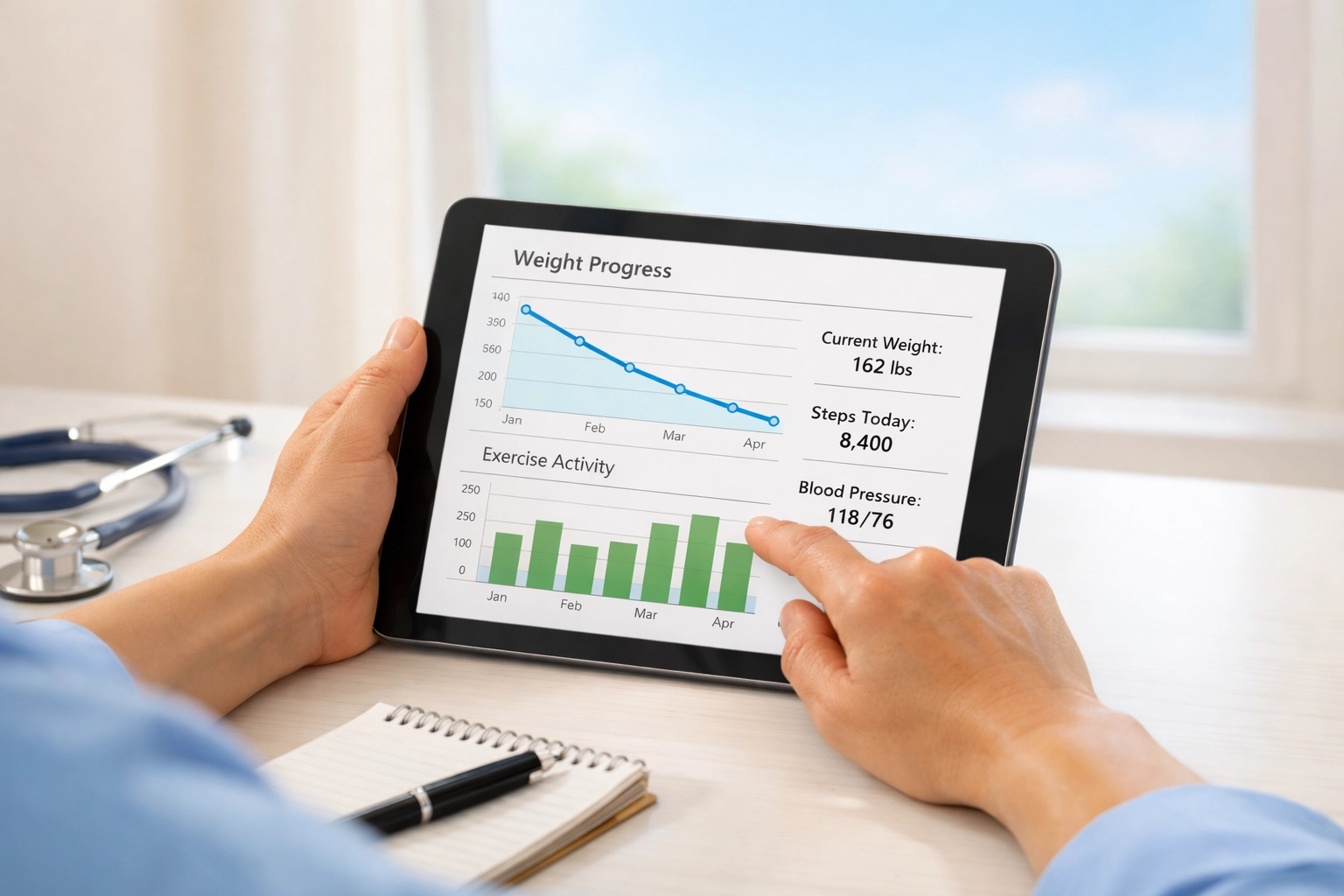
This comprehensive approach requires commitment. You need to take the medication consistently, implement the dietary changes, and maintain the exercise routine. But each component makes the others easier. The medication reduces hunger. Better nutrition improves energy. Exercise enhances both medication effectiveness and overall wellbeing.
The Bottom Line
Weight loss isn't just about taking medication. It's about using medication as a tool to establish sustainable lifestyle changes. The Medifit approach combines pharmaceutical intervention with personalized nutrition and exercise guidance to create results that last.
The three components work together to optimize appetite regulation, metabolic health, and long-term fat loss. Ongoing support ensures you can adapt the approach as your body changes and new challenges arise.
This is how sustainable weight loss happens. Not through quick fixes or single interventions, but through a comprehensive strategy that addresses the problem from multiple angles simultaneously. The medication creates the opportunity. The lifestyle changes make the results permanent.
Comments