


The Connection Between Low T and Weight Loss: Why You Might Be Struggling to See Results

You've cut calories. You've logged hours at the gym. You've tried every diet plan that promises results. But the scale won't budge, your belly fat persists, and building muscle feels nearly impossible. If this sounds familiar, your testosterone levels might be the missing piece of the puzzle.
Low testosterone doesn't just affect your sex drive or energy levels. It fundamentally changes how your body processes food, stores fat, and builds muscle: creating biological barriers that make weight loss exponentially harder, regardless of how disciplined you are.
How Low Testosterone Sabotages Your Metabolism
Testosterone plays a direct role in regulating your metabolic rate. When levels drop below normal, your body loses muscle mass: and muscle is metabolically active tissue that burns calories even when you're resting. Less muscle means your resting metabolic rate decreases, so you burn fewer calories throughout the day, even if your activity level stays exactly the same.
This creates a significant disadvantage. Two men could eat the same meals and follow identical workout routines, but the one with low testosterone will struggle more because his body simply isn't burning calories as efficiently.

The Fat Storage Problem
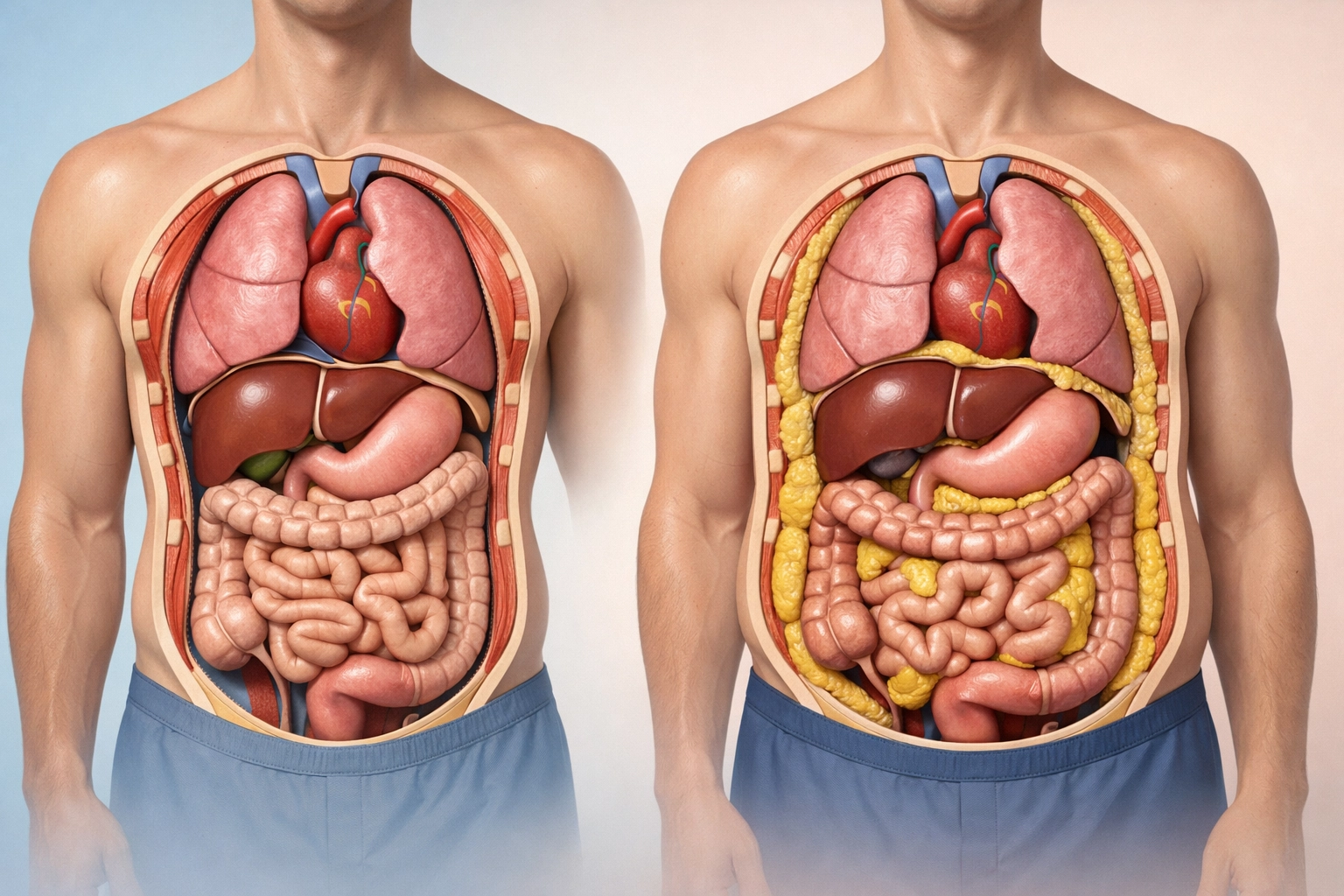
Low testosterone changes where and how your body stores fat. Men with low T tend to accumulate visceral fat: the deep abdominal fat that wraps around your organs. This type of fat is metabolically different from subcutaneous fat (the kind you can pinch). Visceral fat is harder to lose and more dangerous for your health.
Your body becomes predisposed to storing excess energy as fat rather than using it for fuel or muscle building. Even when you're in a caloric deficit, low testosterone signals your body to hold onto fat stores more aggressively.
Insulin Resistance and Blood Sugar Regulation
Testosterone influences how your body responds to insulin. Low levels reduce insulin sensitivity, meaning your cells don't respond as effectively to insulin's signals. This makes blood sugar regulation more difficult and increases your likelihood of storing calories as fat rather than using them for energy.
Poor insulin sensitivity also triggers hunger and cravings more frequently, making it harder to stick to your nutrition plan. You're fighting your biology, not just your willpower.
Energy and Motivation Decline
Low testosterone causes persistent fatigue and reduced motivation. When you're constantly tired, maintaining consistent workouts becomes exponentially harder. You skip gym sessions, reduce workout intensity, or cut sessions short: all of which directly impact your ability to lose weight and build muscle.
This isn't a matter of being lazy or undisciplined. Low testosterone creates real physiological fatigue that makes physical activity feel more difficult than it should.
The Vicious Cycle That Makes Everything Worse
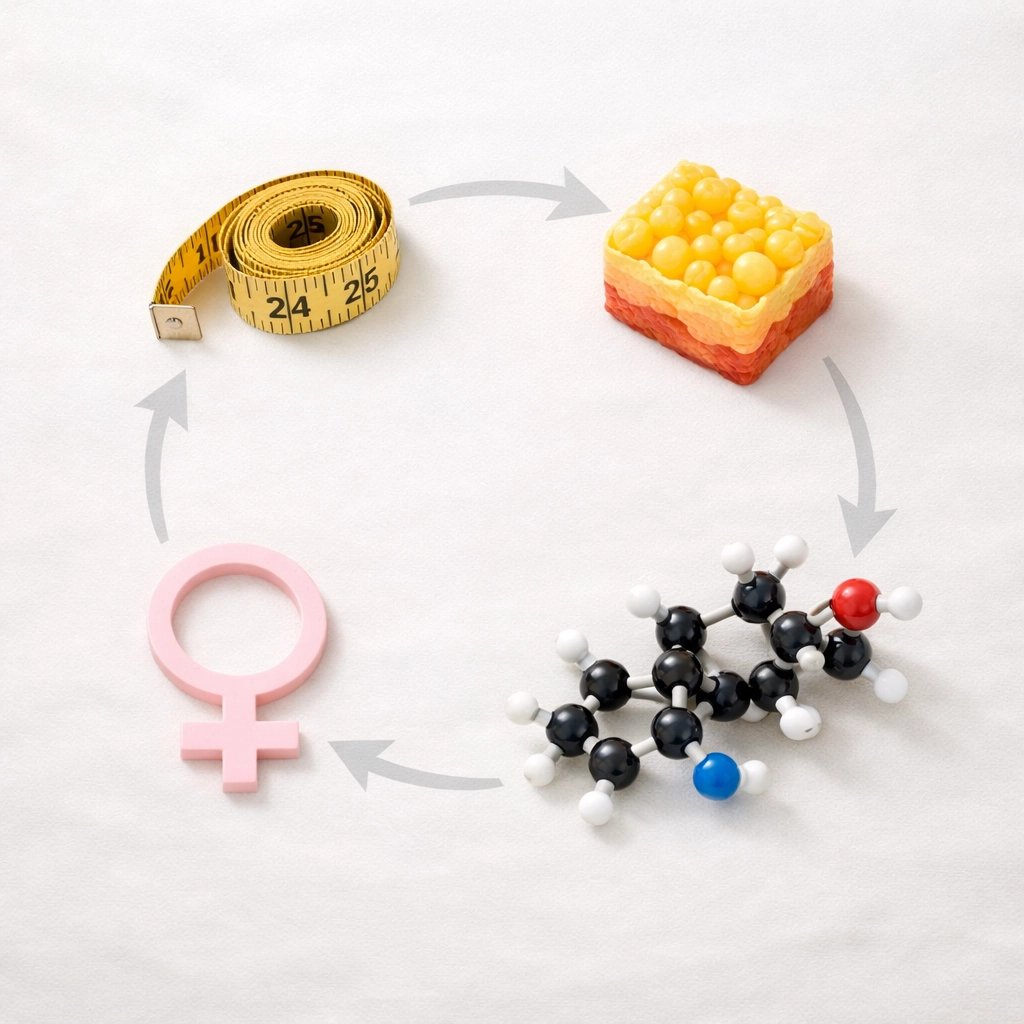
Low testosterone creates a self-perpetuating cycle that sabotages weight loss efforts. Here's how it works:
Lower testosterone reduces muscle mass, which slows your metabolism and leads to fat gain. As fat accumulates: particularly visceral fat: your body produces more aromatase, an enzyme that converts testosterone into estrogen. This conversion further lowers your testosterone levels.
The increased estrogen and decreased testosterone disrupt your body's hormonal feedback mechanisms, making it even harder for your body to produce healthy testosterone levels naturally. The cycle continues, making weight loss progressively more difficult over time.
Breaking this cycle requires addressing the hormonal imbalance directly, not just increasing exercise or cutting more calories.
Why Diet and Exercise Alone Often Fail
Men with low testosterone are frequently told they simply need to eat less and move more. While diet and exercise are important, this advice ignores the biological reality of hormonal deficiency.
Your body's hormonal environment determines how effectively it responds to lifestyle changes. When testosterone is low, your body resists fat loss, prevents muscle gain, and conserves energy: all mechanisms that evolved to protect you during times of hormonal stress or scarcity.
You can follow a perfect diet and training program, but if your hormones are working against you, results will be minimal or nonexistent.

How Testosterone Replacement Therapy Changes Outcomes
Research demonstrates that testosterone replacement therapy produces significantly better weight loss results than lifestyle changes alone. A 2016 randomized trial found that men receiving TRT lost substantially more fat mass and visceral fat compared to those on placebo. Importantly, they also regained muscle during the maintenance phase, while the placebo group continued losing lean mass.
Long-term testosterone therapy in men with testosterone deficiency produces sustained weight loss, marked reduction in waist circumference and BMI, and improved body composition. According to a 2014 review, only bariatric surgery produces weight loss results comparable to testosterone therapy.
The mechanism is straightforward: TRT increases lean body mass, which raises resting energy expenditure. It improves insulin sensitivity, making blood sugar regulation easier. It enhances lipid oxidation, helping your body burn fat more efficiently. These changes make weight loss achievable rather than an uphill battle against your biology.
What Normal Testosterone Levels Look Like
Total testosterone levels are measured in nanograms per deciliter (ng/dL). Normal ranges vary by lab, but generally fall between 300-1,000 ng/dL for adult men. Levels below 300 ng/dL are typically considered low.
However, symptoms matter more than numbers alone. Some men experience low testosterone symptoms even with levels in the 300-400 range. Age also plays a role: testosterone naturally declines about 1% per year after age 30, but steeper drops warrant evaluation.
Common symptoms beyond weight struggles include persistent fatigue, reduced libido, difficulty concentrating, mood changes, and decreased morning erections.
Testing and Diagnosis
Testosterone testing requires a blood draw, typically performed in the morning when levels are highest. A single test isn't sufficient for diagnosis: levels fluctuate, and you'll need at least two separate tests showing low levels to confirm testosterone deficiency.
Your provider will also check related hormones including luteinizing hormone (LH), follicle-stimulating hormone (FSH), and estradiol to understand the full picture of your hormonal health.
Telehealth Consultations for TRT Evaluation
Medifit Group offers telehealth consultations that allow you to discuss symptoms, review lab results, and determine if TRT is appropriate: all from your home. The consultation includes a comprehensive review of your health history, current symptoms, and treatment options.
If you're a candidate for TRT, your provider develops a treatment protocol tailored to your specific needs and monitors your progress through follow-up consultations and lab work. This ensures your testosterone levels reach optimal ranges while minimizing potential side effects.
Telehealth access removes barriers like scheduling conflicts, time off work, and travel to appointments, making it easier to address hormonal health issues that directly impact your weight loss efforts.
What Happens Next
If you've been struggling with weight loss despite consistent effort with diet and exercise, testing your testosterone levels provides clarity. You'll either rule out hormonal deficiency as a factor or identify a treatable condition that's been undermining your progress.
TRT isn't appropriate for everyone, but for men with confirmed testosterone deficiency, it can fundamentally change how their body responds to weight loss efforts. Combined with proper nutrition and exercise, TRT addresses the hormonal barriers that have been preventing results.
Schedule a consultation to review your symptoms and determine if testosterone testing is warranted. Understanding your hormonal health is the first step toward breaking the cycle that's been keeping you stuck.
Comments